
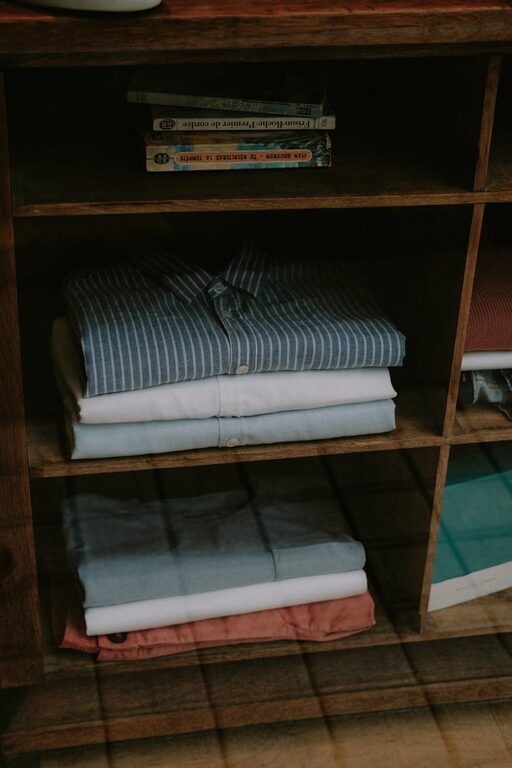
Storing seasonal clothes efficiently can transform your home organization and make dressing for any season easier. By properly sorting, storing, and protecting your garments, you’ll save space, keep clothes in great condition, and spend less time searching for what you need. Whether you’re packing away heavy winter coats or stowing away summer dresses, these tips will help you manage your wardrobe with ease.
Why Seasonal Clothing Storage Matters
Rotating your wardrobe seasonally prevents overcrowding and reduces wear on clothes you aren’t currently wearing. Proper storage also protects fabrics from moths, dust, moisture, and wrinkles. When it’s time to switch seasons, an organized method ensures you can access the right clothes quickly and keep your closet neat year-round.
—
Step 1: Sort and Declutter Before Storing
Before you pack anything away, take some time to sort through your clothes.
Sort Your Clothes by Category
Group your clothes into categories like sweaters, coats, T-shirts, and pants. This helps you see what you have and decide what to keep.
Donate or Sell Unwanted Items
If you haven’t worn an item in the last season or it no longer fits, consider donating it or selling it online. This reduces clutter and makes storage easier.
—
Step 2: Clean Clothes Thoroughly
Always store clothes clean. Dirt, sweat, and oils attract pests and cause stains that can become permanent.
– Wash or dry clean: Launder your clothes based on the care label instructions.
– Dry completely: Ensure everything is fully dry to prevent mold and mildew.
– Deodorize: For fabrics that don’t need washing, freshen them with a fabric spray or air them outside on a dry day.
—
Step 3: Choose the Right Storage Solutions
The storage type you choose can impact how well your clothes are preserved.
Containers and Bags
– Plastic bins with airtight lids: Great for protection against moisture and pests.
– Canvas storage bags: Breathable and ideal for delicate fabrics.
– Vacuum-seal bags: Save space by compressing bulky items like winter coats and blankets but allow clothes to breathe after storage to avoid fabric damage.
Label Everything
Use sticky labels or a label maker to mark each container clearly. This saves time when you retrieve items next season.
—
Step 4: Use Proper Storage Techniques
How you place your clothes in storage will affect their condition.
Fold vs. Hang
– Fold knits and sweaters: Hanging can stretch them out.
– Hang dresses, coats, and suits: Use padded hangers to help maintain shape.
– Roll lightweight clothes like T-shirts and shorts to reduce wrinkles and save space.
Add Extra Protection
Place acid-free tissue paper between delicate fabrics to prevent creases and color transfer.
—
Step 5: Store in the Right Environment
The location you choose for storage is just as important as the method.
Avoid Heat and Humidity
Keep clothes in a cool, dry place like a closet shelf, under the bed, or a climate-controlled room. Basements and attics are often too damp or hot.
Keep Away from Sunlight
Direct sunlight fades fabrics over time, so choose dark or shaded storage spots.
Use Natural Pest Deterrents
Cedar blocks or lavender sachets can help repel moths and insects without harsh chemicals.
—
Step 6: Regular Maintenance and Inspection
Even after storing, check on your clothes occasionally.
– Every few months: Open containers to air out clothes and check for any signs of damage or moisture.
– Flip or refold: Prevent permanent creases by gently refolding items.
—
Bonus Tips for Maximizing Closet Space Year-Round
– Double hanging rods: Add another rod in your closet for more hanging space.
– Shelf dividers: Keep stacks of folded clothes neat.
– Under-bed storage: Utilize this often-overlooked space for seasonal items.
– Clear bins: Help you visually identify contents without opening.
—
Efficient seasonal clothes storage is all about preparation and protection. By sorting, cleaning, and storing garments properly, you can preserve your wardrobe’s quality while keeping your living space organized and clutter-free. Happy organizing!